Pelican Landing Bonita Springs Homes & Coastal Lifestyle
February 5, 2026
February 5, 2026
If you’re dreaming about a Gulf Coast home where you can slip off to the beach, launch a boat, and play a quick round of golf, Pelican Landing may be on your shortlist. You want the lifestyle to feel easy and low maintenance, with services and dining close by and travel in and out kept simple. This guide gives you a clear picture of what life here looks like, what to verify before you buy, and how to align a property with your beach, boating, and golf goals. Let’s dive in.
Pelican Landing sits in Bonita Springs, in Lee County on Florida’s Gulf Coast. You have quick access to regional hubs along U.S. 41 and I‑75, with typical drive times of about 30 to 40 minutes to Southwest Florida International Airport, 20 to 35 minutes to central Naples, and 30 to 45 minutes to downtown Fort Myers. Times vary with season and traffic.
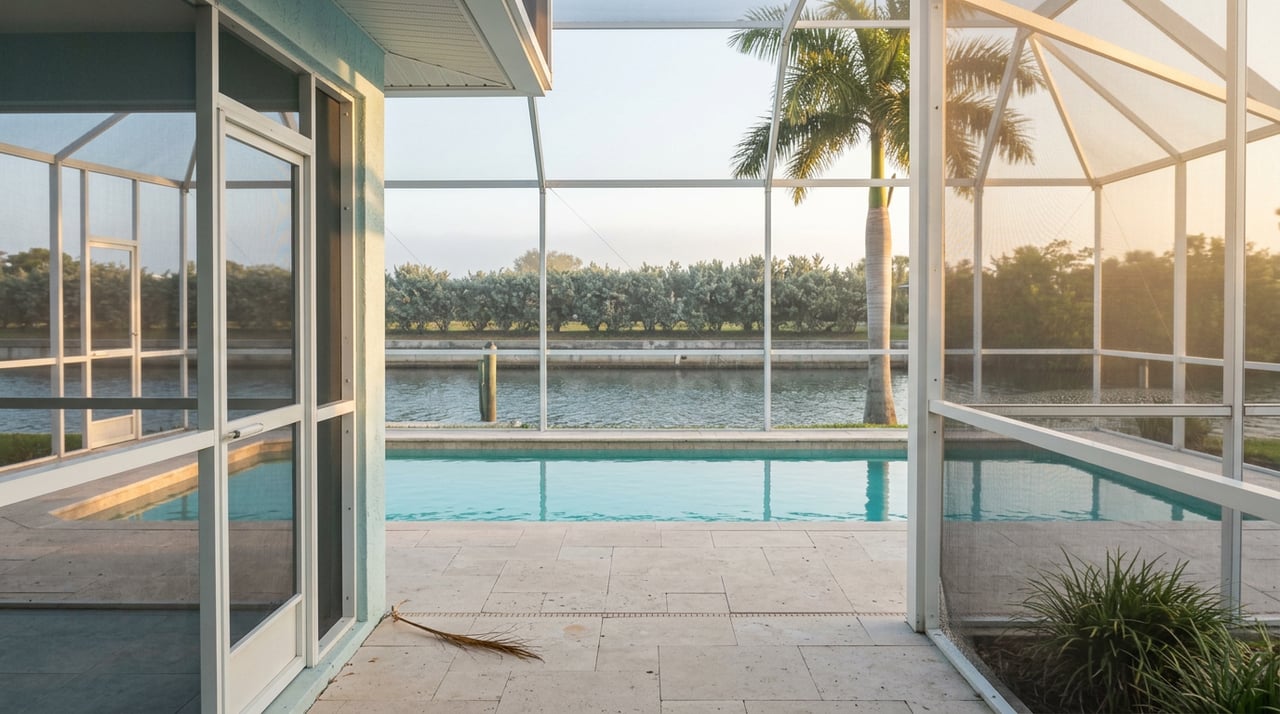
The community is positioned along tidal creeks and estuarine waters that connect to Estero Bay and the Intracoastal Waterway. Many buyers choose Pelican Landing for this coastal setting, the mix of home types, and the convenience of nearby shopping and dining at places like Coconut Point in Estero and the local Bonita Springs corridors.
Pelican Landing is known for providing resident access to the Gulf, often through a private or deeded beach program managed by the master association or by specific villages. The features and rules of this access can vary. Some programs include a shuttle or private parking, restrooms, and picnic areas. Guest policies, passes, and any fees are set by the governing association and should be confirmed for each property.
Nearby public options add flexibility. You’re a short drive from Bonita Beach Park and Barefoot Beach Preserve, a protected area known for natural dunes and calm shoreline. Seasonal rules can apply, including sea turtle protections from May through October, which may affect lighting and nighttime beach use.
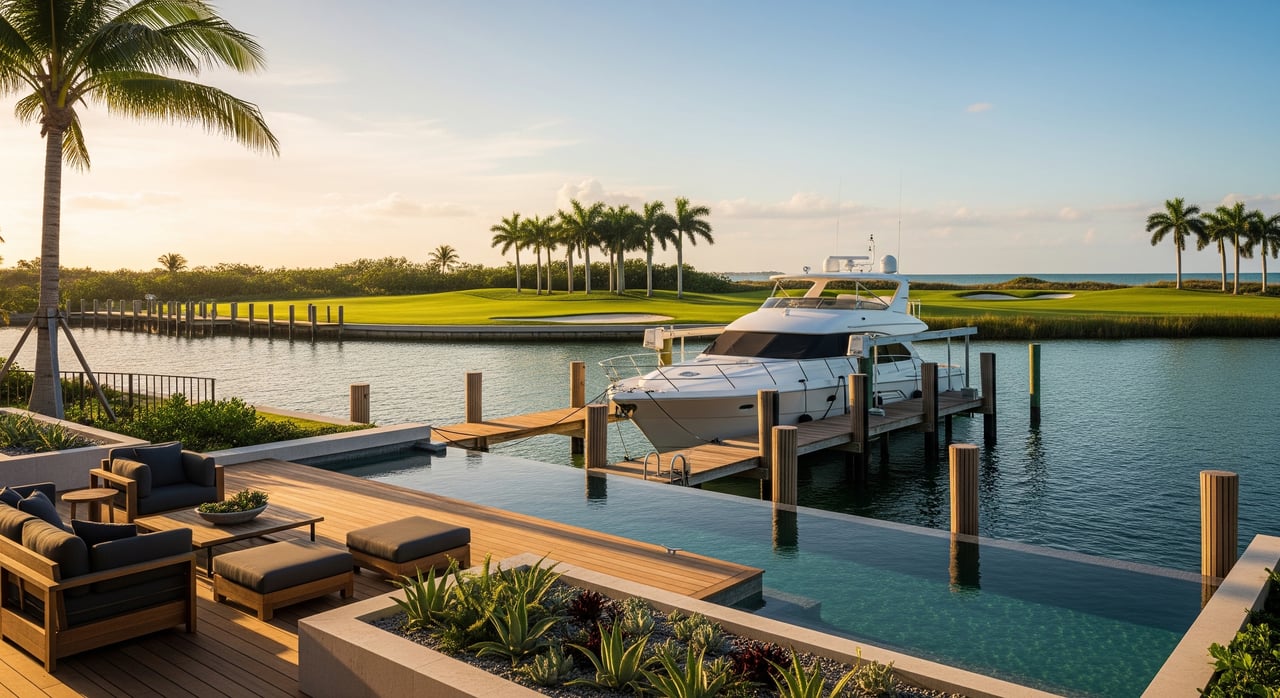
Pelican Landing’s waterways connect to Estero Bay and passes to the Gulf. You’ll navigate tidal channels, so depth, currents, and shoaling can matter, especially after storms. Local boating rules, including manatee protection and speed zones, are set by Florida Fish and Wildlife and county ordinances. Always plan with tide and current in mind.
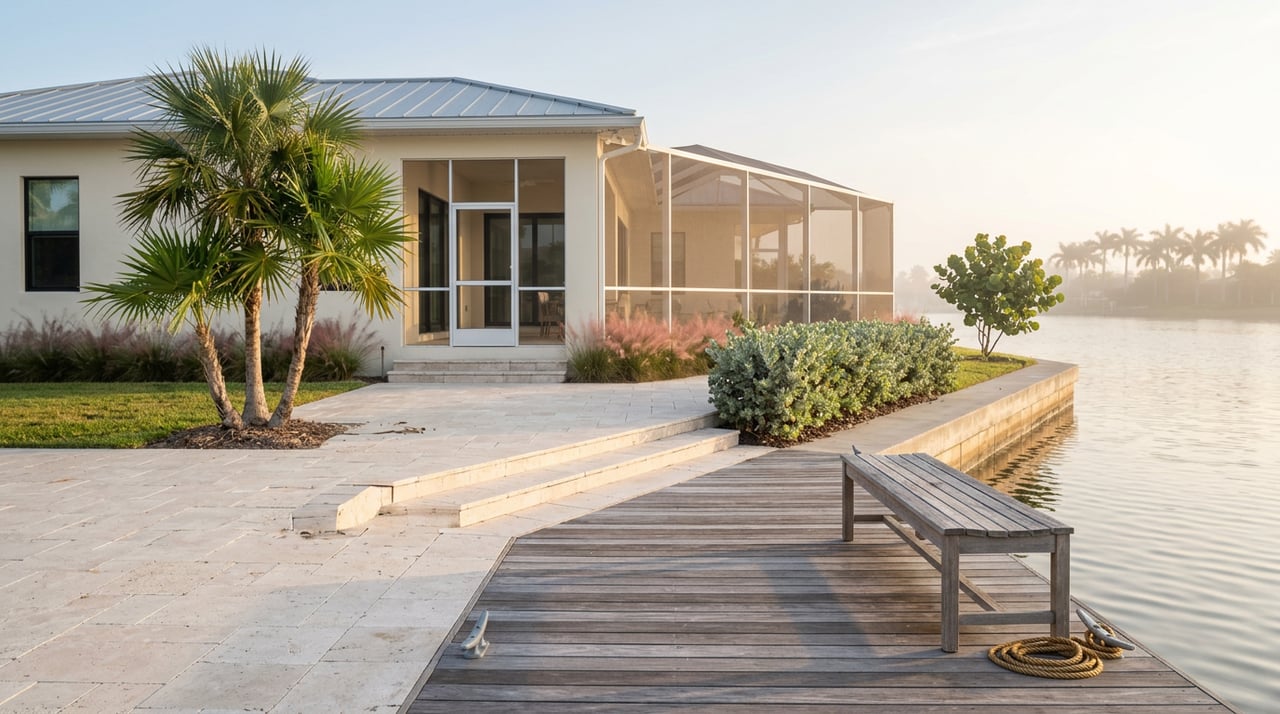
Dockage varies by property and village. Some homes include deeded slips, while others rely on shared community facilities or nearby marinas. Many marina systems use waiting lists, and transfer policies for slips can be specific. Depth limits and bridge clearances can affect larger boats, so it’s important to match a property’s water access with your boat’s draft and height.
Hurricane planning is part of boating in Southwest Florida. Dry‑stack storage, haul‑out options, and marina hurricane procedures are common considerations. Slip insurance and clear storm protocols help protect your investment during peak season.
Pelican Landing is a coastal lifestyle community rather than a single golf‑resort property. Many residents enjoy golf at nearby private or semi‑private clubs within a 10 to 30 minute drive. Memberships are typically separate from homeowners’ dues and may have seasonal demand or waitlists.
Beyond golf, you can expect a wide range of community activities. Many master‑planned neighborhoods offer walking and biking routes, tennis and pickleball courts, fitness centers, pools, and active social calendars. Natural areas around Estero Bay invite kayaking, canoeing, birding, and guided eco‑tours. Always confirm which amenities are part of the village HOA versus the master association.
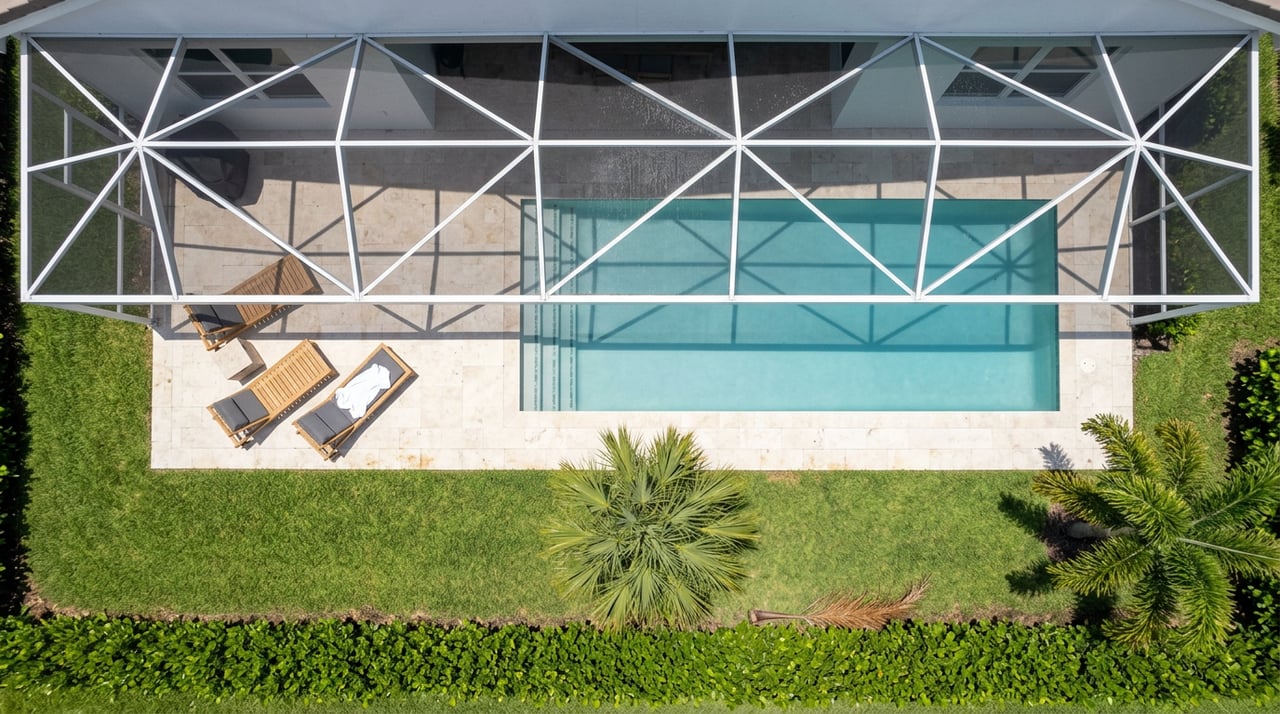
Housing in Pelican Landing spans single‑family homes, villas, condos, and carriage homes across multiple villages. This variety supports both seasonal lock‑and‑leave living and full‑time residency. Many areas are gated and have layered associations. You will likely interact with both a village HOA and a master association, each with their own rules, amenities, and budgets.
Fees and coverage vary by property type. Condos often include more exterior maintenance, while single‑family homes can offer more privacy and design flexibility. Rental policies, pet rules, and architectural guidelines differ by village. If boating is a priority, focus your search on homes with deeded slips or easy access to marina facilities.
Lee County property tax rules apply. If you plan to homestead, ask about exemptions for your situation. Insurance deserves careful review along the coast. Many properties fall within FEMA‑designated flood zones, and flood insurance can be a meaningful line item. Windstorm coverage and hurricane deductibles are also common across Florida.
Always check a property’s flood zone, elevation, and any mitigation features. Ask for the seller’s insurance declarations if available, and compare quotes early in the process. For waterfront or dock‑equipped homes, factor maintenance, lift servicing, and potential seawall work into your budget.
Daily life here should feel convenient. Grocery options and local services sit within a short drive, and Coconut Point offers broader retail, dining, and entertainment. The local dining scene in Bonita Springs and nearby Naples brings a mix of coastal seafood spots, cafés, and seasonal fare.
Health care access is strong within the region. Major hospital systems and specialty centers operate in Fort Myers and Naples. For families, Pelican Landing falls within Lee County. School zoning is address‑specific, so confirm assignments and transportation options through district resources.
Getting in and out is straightforward for seasonal residents and visitors. Southwest Florida International Airport is the primary commercial hub, generally a 30 to 40 minute drive from Pelican Landing. Expect heavier seasonal traffic in winter months when snowbird travel increases.
Use a lifestyle‑first lens so the home and location serve your priorities.
Choosing in Pelican Landing is about aligning details that are easy to overlook, from the fine print on beach access to the draft of your boat and the waitlist at a marina. You also need clarity on HOA layers, insurance costs, and seasonal realities. A concierge approach helps you avoid missteps and move forward with confidence.
With a curated, lifestyle‑first process supported by the marketing reach of a leading brokerage network, you get both personal guidance and strong market intelligence. You receive clear, practical recommendations geared to your goals, whether you are a snowbird buyer or planning a year‑round move.
Ready to explore Pelican Landing through a lifestyle lens? Connect with Kyle R. Suhr, P.A. for a curated shortlist, on‑the‑ground insights, and seamless next steps.
I plan to bring my success to the local real estate industry to every client and beloved neighborhood. My expertise as a creative marketing liaison aligns traditional, digital, and social communications to offer strategic, creative counsel that meets client objectives while keeping them at the forefront of an authentic audience.
Get in Contact to Learn More